
About Fiberglass Furnace Filters
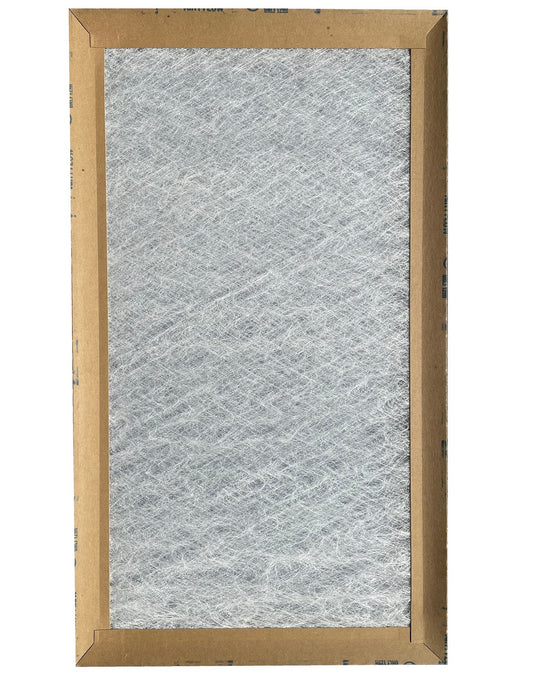
Fiberglass furnace filters are an economical solution designed to capture larger airborne particles and help protect your HVAC system from dust, lint, and debris. Commonly found in residential heating and cooling systems, these disposable filters provide basic filtration while allowing excellent airflow, making them a practical choice for homeowners who prioritize equipment protection and low replacement costs.
Unlike pleated air filters, fiberglass filters typically have a lower MERV rating and are not intended to capture smaller particles such as pollen, pet dander, mold spores, or bacteria. Instead, their primary purpose is to prevent larger contaminants from accumulating on your furnace or air conditioner components, helping maintain reliable system operation and reducing unnecessary wear.
Because fiberglass filters offer less airflow resistance than higher-efficiency pleated filters, they may be recommended for some older HVAC systems or applications where maximum airflow is preferred. However, homeowners looking to improve indoor air quality, reduce allergens, or capture finer particles may benefit from upgrading to a pleated filter with a higher MERV rating.
Fiberglass furnace filters are available in a variety of standard sizes and should be replaced regularly to maintain proper airflow and system performance. Most homeowners should inspect their filter monthly and replace it every 30 days or according to the manufacturer's recommendations, household conditions, and HVAC usage.
Whether you're replacing an existing fiberglass filter or looking for an affordable option to protect your heating and cooling equipment, you'll find a selection of fiberglass furnace filters designed to fit many of today's most common HVAC systems.
Frequently Asked Questions
What is a fiberglass furnace filter?
A fiberglass furnace filter is a disposable HVAC air filter made from layered fiberglass fibers. Its primary purpose is to protect your heating and cooling equipment by capturing larger airborne particles such as dust, lint, and debris before they enter the system.
Are fiberglass furnace filters good?
Fiberglass furnace filters are effective at protecting HVAC equipment from larger particles and maintaining strong airflow. However, they provide only basic air filtration and are less effective than pleated filters at capturing allergens, pet dander, pollen, and other fine airborne particles.
What's the difference between fiberglass and pleated furnace filters?
Fiberglass filters use flat layers of spun fiberglass and typically have lower MERV ratings, while pleated filters use folded synthetic media to create more surface area for capturing smaller particles. Pleated filters generally offer better indoor air quality but may create slightly more airflow resistance depending on the MERV rating.
How often should I replace a fiberglass furnace filter?
Most fiberglass furnace filters should be replaced every 30 days. Homes with pets, higher dust levels, or heavy HVAC use may require more frequent replacement. Checking your filter monthly is the best way to ensure proper airflow and system performance.
Can fiberglass furnace filters help with allergies?
Fiberglass filters are not designed to capture the smaller particles that commonly trigger allergies. Homeowners looking to improve indoor air quality or reduce allergens should consider a pleated furnace filter with a higher MERV rating.
-
Koch 274-160-250 - 16" x 25" x 1" Disposable Dual-Density Fiberglass Filter Panel, MERV 4/5
Regular price From $18.09 USDRegular priceUnit price per -
Koch 274-140-240 - 14" x 24" x 1" Disposable Dual-Density Fiberglass Filter Panel, MERV 4/5
Regular price From $18.70 USDRegular priceUnit price per -
Koch 274-160-200 - 16" x 20" x 1" Disposable Dual-Density Fiberglass Filter Panel, MERV 4/5
Regular price From $17.92 USDRegular priceUnit price per -
Koch 274-140-200 - 14" x 20" x 1" Disposable Dual-Density Fiberglass Filter Panel, MERV 4/5
Regular price From $17.88 USDRegular priceUnit price per -
Koch 274-200-250 - 20" x 25" x 1" Disposable Dual-Density Fiberglass Filter Panel, MERV 4/5
Regular price From $18.55 USDRegular priceUnit price per -
Koch 274-140-250 - 14" x 25" x 1" Disposable Dual-Density Fiberglass Filter Panel, MERV 4/5
Regular price From $18.00 USDRegular priceUnit price per -
Koch 274-200-200 - 20" x 20" x 1" Disposable Dual-Density Fiberglass Filter Panel, MERV 4/5
Regular price From $18.32 USDRegular priceUnit price per -
Koch 274-160-240 - 16" x 24" x 1" Disposable Dual-Density Fiberglass Filter Panel, MERV 4/5
Regular price From $18.17 USDRegular priceUnit price per -
Koch 275-294-294 - 30" x 30" x 1" Disposable Dual-Density Fiberglass Filter Panel, MERV 4/5
Regular price From $47.84 USDRegular priceUnit price per -
Koch 274-120-200 - 12" x 20" x 1" Disposable Dual-Density Fiberglass Filter Panel, MERV 4/5
Regular price From $19.67 USDRegular priceUnit price per -
Koch 274-200-300 - 20" x 30" x 1" Disposable Dual-Density Fiberglass Filter Panel, MERV 4/5
Regular price From $22.48 USDRegular priceUnit price per
Shop More Furnace Filters
-

Furnace Filters
Find the Right Furnace Filter for Your HVAC System The right furnace...
-

4-Inch Furnace Filters
4-Inch Furnace Filters 4-inch furnace filters provide a larger surface area for...
-

MERV 11 AIR FILTERS
MERV 11 Furnace Filters If you want stronger air filtration without immediately...


